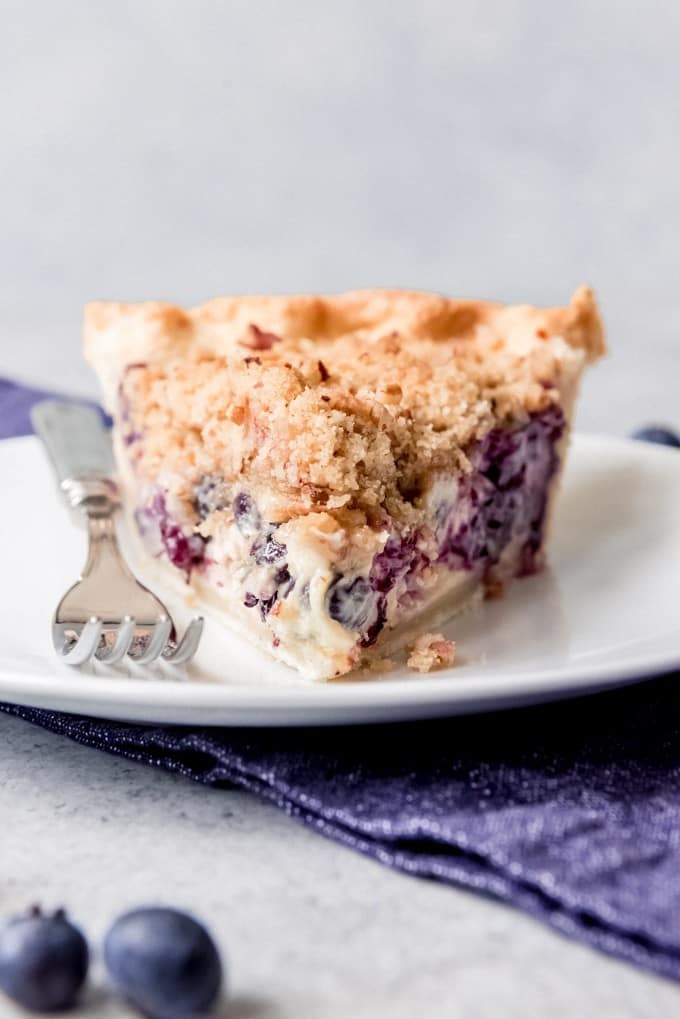
Unveiling the Layers of Delight: The Anatomy of a Perfect Blueberry Sour Cream Custard Pie
There are few desserts that strike such a harmonious balance between sweet, tart, creamy, and flaky as a well-made blueberry sour cream custard pie. This isn't just a dessert; it's an experience, a symphony of textures and flavors that captivates from the first bite. In this third installment of our deep dive into this beloved creation, we'll explore the intricate elements that make this pie truly exceptional, from the foundational crust to the velvety filling, and offer expert tips to elevate your baking prowess.
Whether you're a seasoned baker or just beginning your culinary journey, understanding the "why" behind each ingredient and technique is key to achieving consistent, mouthwatering results. Forget everything you thought you knew about simple fruit pies; the addition of sour cream transforms the classic custard into something transcendent, providing a unique tang that cuts through the sweetness and a richness that leaves you longing for more. Get ready to master the art of the blueberry sour cream custard pie.
The Magic of Texture: Why Custard and Sour Cream Work So Well Together
At the heart of the blueberry sour cream custard pie lies its extraordinary filling, a testament to the power of thoughtful ingredient combination. The custard component, primarily composed of eggs, sugar, and milk or cream, provides that classic tender, wobbly, melt-in-your-mouth texture we all adore. It's delicate yet substantial, serving as the perfect creamy bed for the vibrant blueberries.
The true genius, however, comes with the introduction of sour cream. Far from being a mere thickening agent, sour cream plays several crucial roles. Firstly, its inherent acidity provides a delightful tang that beautifully counteracts the sweetness of the custard and the natural sugars of the blueberries. This balance prevents the pie from tasting cloyingly sweet, making each bite refreshing. Secondly, sour cream contributes an incredible richness and silkiness to the custard. Its fat content creates a luxurious mouthfeel that is distinctively smoother and more decadent than a plain custard. *Fun fact: The acidity in sour cream also helps to stabilize the egg proteins in the custard, contributing to a more consistent and less prone-to-curdling texture, ensuring your filling sets beautifully every time.* The interplay between the bursting, juicy blueberries and this creamy, tangy custard is what gives the blueberry sour cream custard pie its signature allure.
Mastering the Crust: The Essential Foundation for Your Pie
A magnificent filling deserves an equally magnificent vessel, and in the world of pies, that means a perfect crust. For a custard-based pie like our blueberry sour cream creation, the crust is not just a container; it's an integral part of the textural experience. A truly exceptional pie crust should be flaky, buttery, and sturdy enough to hold the luscious filling without succumbing to sogginess. Achieving this requires careful attention to detail, particularly when it comes to blind baking.
Blind Baking for Success: Because custard fillings are quite moist and don't bake as long as some fruit fillings, blind baking (pre-baking) the crust is absolutely essential. This step ensures a crisp, golden bottom crust, preventing the dreaded "soggy bottom" that can ruin even the most delicious pie. To blind bake effectively:
- Roll out your pie dough and fit it into your pie plate, crimping the edges as desired.
- Chill the crust for at least 30 minutes. This helps prevent shrinkage.
- Line the chilled crust with parchment paper and fill it with pie weights, dried beans, or rice. Ensure the weights reach up the sides to support the crust.
- Bake in a preheated oven (usually around 375-400°F / 190-200°C) for 15-20 minutes, or until the edges are lightly golden.
- Remove the parchment and weights, then prick the bottom of the crust with a fork.
- Return to the oven for another 5-10 minutes, or until the bottom is dry and lightly golden. This second bake is crucial for drying out the base.
Using high-quality butter and ensuring all ingredients are very cold will also contribute significantly to a flaky, tender crust that perfectly complements the rich blueberry sour cream custard pie.
Tips for Perfectly Baking Your Blueberry Sour Cream Custard Pie
Baking a blueberry sour cream custard pie is an art that requires precision and patience. Here are some actionable tips to ensure your pie emerges from the oven looking and tasting spectacular:
- Don't Overmix the Custard: When combining your custard ingredients, whisk gently until just combined. Overmixing can incorporate too much air, leading to a foamy texture and potential cracking during baking.
- Even Distribution of Blueberries: To prevent all the blueberries from sinking to the bottom, try tossing them lightly with a tablespoon of flour or cornstarch before folding them into the custard. Alternatively, pour half the custard into the pie shell, scatter half the blueberries, then add the remaining custard and berries.
- Temperature Matters: Custard pies benefit from a moderate oven temperature, often starting slightly higher to set the crust, then reducing it to ensure the custard bakes gently and evenly. Typically, 375°F (190°C) for the first 15 minutes, then reducing to 325-350°F (160-175°C) for the remainder of the baking time.
- Recognizing Doneness: The trickiest part is knowing when your blueberry sour cream custard pie is perfectly baked. The edges should be set, but the center (about a 2-inch diameter) should still have a slight jiggle, like gelatin. A knife inserted near the edge should come out clean. *Overbaking is the primary cause of cracked custards.*
- Cooling is Crucial: Once out of the oven, resist the urge to slice immediately. Allow the pie to cool completely on a wire rack for several hours, then refrigerate for at least 2-3 hours, or preferably overnight. This chilling period allows the custard to fully set and firm up, ensuring clean slices and optimal flavor.
- Preventing Burnt Edges: If your pie crust edges start to brown too quickly, gently cover them with aluminum foil or a pie crust shield for the remainder of the baking time.
Serving Suggestions and Creative Variations
Once your blueberry sour cream custard pie has chilled to perfection, the moment of truth arrives! While it's utterly delicious on its own, a few thoughtful serving suggestions can elevate the experience even further:
- Classic Toppings: A dollop of freshly whipped cream, perhaps lightly sweetened with a touch of vanilla, is always a welcome addition. A dusting of powdered sugar or a sprig of fresh mint can add visual appeal.
- Fruit Garnish: A scattering of fresh, plump blueberries on top just before serving enhances the fruitiness and provides a beautiful contrast to the creamy filling.
- Temperature: This pie is best served chilled or slightly cool. The flavors and textures truly shine when cold.
- Beverage Pairings: A cup of hot coffee, a robust black tea, or even a glass of sparkling rosé or Moscato wine can make for a delightful pairing.
Feeling adventurous? Here are some creative variations to explore:
- Citrus Zest Boost: Add the zest of one lemon or orange to your custard mixture for an extra layer of bright, aromatic flavor that complements the blueberries beautifully.
- Crunchy Topping: For added texture, consider a streusel topping made from butter, flour, sugar, and oats. Sprinkle it over the pie before baking.
- Mixed Berries: While blueberries are traditional, a mix of other berries like raspberries or blackberries can also be incorporated into the custard for a different flavor profile.
- Spice it Up: A pinch of cinnamon or nutmeg in the custard can add warmth, especially if serving during cooler months.
Troubleshooting Common Pie Problems
Even experienced bakers can encounter snags. Here's how to tackle some common issues when making your blueberry sour cream custard pie:
- Soggy Bottom: The most common culprit is insufficient blind baking. Ensure your crust is fully baked and dry before adding the filling. A thick pie crust also helps.
- Cracked Custard: This usually indicates overbaking or cooling the pie too quickly. Remove the pie when the center still has a slight jiggle, and allow it to cool gradually on a wire rack away from drafts. A water bath can also help prevent cracks by promoting even, gentle baking.
- Runny Filling: If your custard doesn't set, it could be underbaked or you might not have used enough eggs/thickener (if your recipe calls for cornstarch). Ensure you've followed the ingredient ratios precisely and baked until the center barely jiggles.
- Blueberries Sinking: As mentioned, tossing blueberries lightly with flour or cornstarch can help them suspend more evenly. Another trick is to let the custard filling sit for 10-15 minutes to thicken slightly before folding in the fruit.
- Burnt Edges: Use aluminum foil or a pie crust shield as soon as you notice the edges browning too quickly.
Conclusion
The blueberry sour cream custard pie is a magnificent dessert, celebrated for its complex textures and delightful interplay of sweet and tart flavors. By understanding the roles of each ingredient, mastering the art of blind baking, and paying attention to crucial baking and cooling techniques, you can consistently create a show-stopping pie. Whether you stick to the classic recipe or experiment with exciting variations, this pie promises to be a beloved addition to any table. Its enduring appeal lies in its ability to offer comfort and sophistication in equal measure, making every slice a truly memorable experience.
